

 0
0
 0
0
Food preservation has come a long way from salting meats and canning vegetables in grandma’s kitchen. Today, freeze drying stands out as one of the most effective, science-backed methods to extend shelf life while locking in flavor, nutrition, and texture like nothing else can. But for a long time, the technology felt out of reach — bulky machines, commercial price tags, and complicated setups kept most home users on the sidelines. That’s slowly changing. More people are discovering that owning a reliable, compact freeze dryer is not only practical but genuinely life-changing for preppers, homesteaders, and food enthusiasts alike. The growing conversation around home freeze drying has put several brands under the spotlight, and one name keeps coming up in communities, forums, and buyer reviews — and that’s worth paying close attention to.
What Is Freeze Drying and Why Does It Beat Other Preservation Methods?
Freeze drying, or lyophilization, is a preservation process that removes moisture from food by first freezing it solid and then using a vacuum environment to convert that ice directly into vapor — skipping the liquid stage entirely. This process, called sublimation, leaves food structurally intact, flavorful, and nutritionally dense in ways that heat-based methods simply can’t match.
Compare it to traditional dehydrating, which uses heat to evaporate moisture. Heat breaks down vitamins, alters texture, and can compromise taste. Freeze drying, on the other hand, preserves up to 97% of the food’s original nutritional content. Strawberries still taste like strawberries. Scrambled eggs rehydrate back to something remarkably close to fresh. Even cooked meals come back to life with just a bit of warm water.
Canning introduces heat and, in many cases, additives. Vacuum sealing alone doesn’t remove moisture, which means bacteria and mold can still find a way in over time. Freeze drying removes the water that microorganisms need to survive, which is exactly why properly freeze-dried food stored in airtight containers can last anywhere from 15 to 25 years without refrigeration. For emergency preparedness, long-term food storage, or reducing household food waste, no other method comes close.
The Rise of Home Freeze Dryers: From Industrial Labs to Kitchen Counters
Not long ago, freeze drying equipment was strictly the territory of pharmaceutical companies, NASA, and large-scale food manufacturers. The machines were massive, expensive, and required trained technicians to operate. That exclusivity kept home users firmly out of the picture — until manufacturers began engineering consumer-grade units that fit on countertops or in garages without requiring a degree in mechanical engineering to run.
The home freeze dryer market has grown rapidly over the past decade. Early adopters were mostly preppers and survivalists building long-term food stockpiles. But the audience expanded quickly. Farmers started using them to preserve seasonal harvests. Parents found them useful for making healthy snacks without preservatives. Pet owners discovered that freeze-dried raw food is a top-tier alternative to processed kibble. The practical applications kept multiplying.
This democratization of the technology pushed brands to compete harder on price, ease of use, and reliability. As competition increased, so did the quality of mid-range and entry-level units. Buyers no longer had to choose between an affordable machine with questionable performance and a commercial-grade unit with a five-figure price tag. The middle ground became a genuinely useful space, and that’s exactly where some of the most interesting products — and most telling buyer feedback — started to emerge.
Breaking Down the Key Features to Look for in a Quality Freeze Dryer
Not all freeze dryers are created equal, and knowing what separates a capable machine from a frustrating one can save a lot of money and headaches. The most important factor is chamber capacity — how much food can be processed in a single batch. Larger trays mean fewer cycles to preserve the same volume, which matters a lot if someone is processing large harvests or building a serious food stockpile.
Vacuum pump quality is another make-or-break feature. The pump creates the low-pressure environment that allows sublimation to happen efficiently. A weak or poorly maintained pump leads to longer cycle times, incomplete drying, and potentially spoiled batches. Premium units use oil-based rotary pumps that deliver consistent performance, while budget models sometimes cut corners here and regret it in long-term use.
Temperature control and cycle automation also play a major role in output quality. Machines that allow users to set precise freeze temperatures and drying durations produce more consistent results across different food types. Some units have built-in sensors and automated cycle management, which takes the guesswork out of the process. Control panel design matters too — a clear, intuitive interface means less time reading manuals and more time actually preserving food. Noise levels, ease of cleaning, and customer support quality round out the picture for buyers who plan to use their machine regularly over many years.
Huchuan Freeze Dryer: What Sets It Apart in a Crowded Market
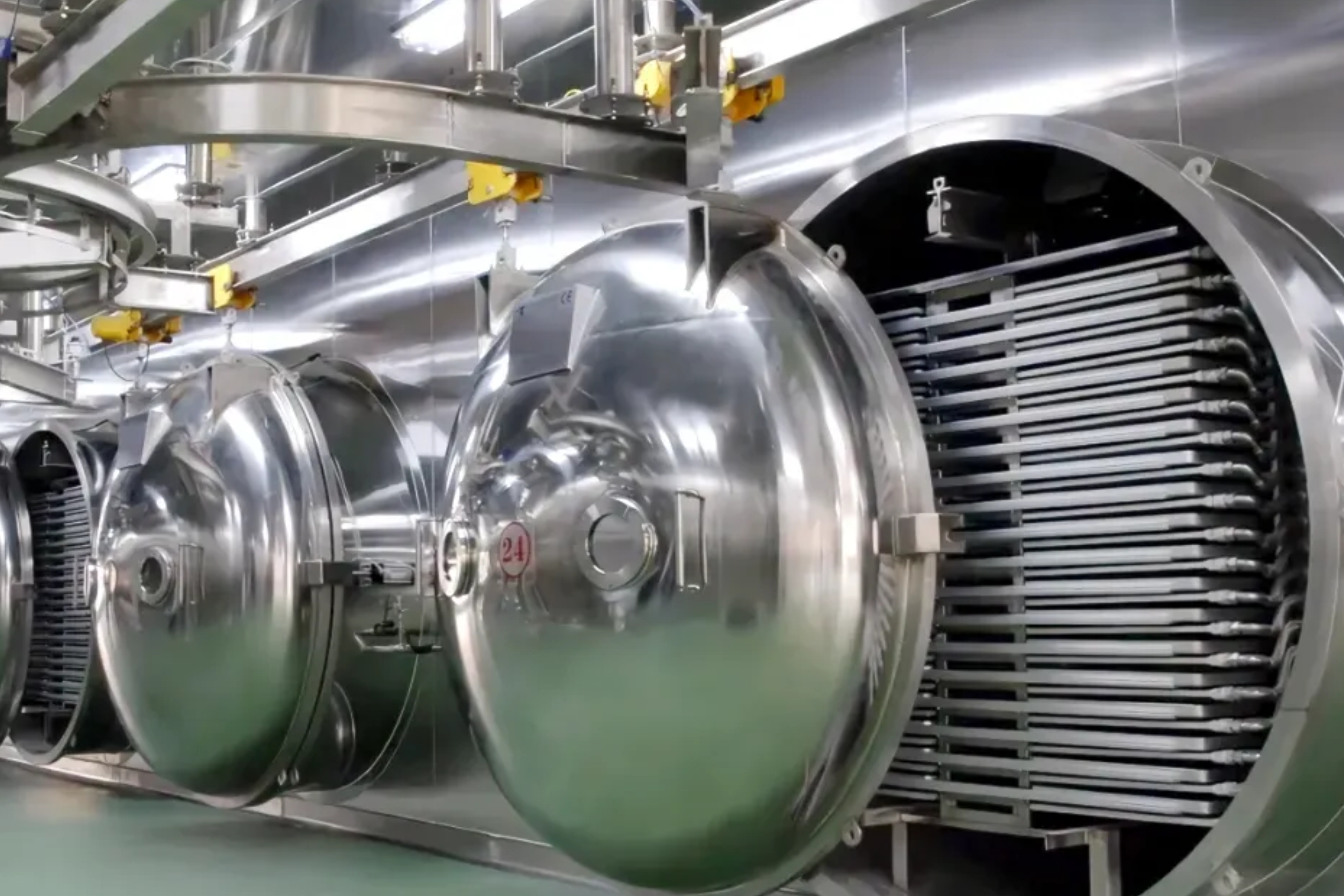
The huchuan freeze dryer has built a solid reputation among home users who want reliable performance without paying commercial-grade prices. What consistently draws people in is the combination of well-engineered chamber design, capable vacuum pump systems, and a thoughtful approach to user experience that doesn’t assume the buyer already knows everything about lyophilization.
Users frequently highlight the machine’s efficiency in cycle times. Compared to some competing units in a similar price bracket, the huchuan freeze dryer tends to complete full drying cycles with fewer interruptions and more consistent results across a range of food types — from fruits and vegetables to full cooked meals and dairy products. That consistency is exactly what home users need when they’re committing a large harvest to a single run.
The build quality also draws positive attention. The stainless steel chambers resist corrosion and are straightforward to clean between batches, which matters for food safety. The vacuum pump performs reliably over extended use without requiring constant oil changes or maintenance interventions that interrupt workflow. For buyers who are stepping into freeze drying for the first time, the huchuan lineup offers a learning curve that feels manageable rather than overwhelming, which is a significant advantage over machines that demand more technical babysitting to get good results.
Real-World Use Cases: Who Benefits Most From Owning a Freeze Dryer?
The list of people who genuinely benefit from owning a home freeze dryer is longer than most expect. Preppers and emergency preparedness enthusiasts are the obvious audience — building a pantry that can sustain a household for months or even years without external supply chains is a compelling use case in uncertain times. Freeze-dried food stored properly in mylar bags with oxygen absorbers can sit on a shelf for decades and still taste good.
Homesteaders and small-scale farmers benefit enormously from being able to preserve surplus harvests without the limitations of canning or the quality tradeoffs of conventional dehydrating. A bumper crop of peaches or tomatoes can be freeze-dried at peak ripeness and stored without occupying freezer space. The preserved product retains its farm-fresh quality far better than any other method allows.
Health-conscious families use freeze dryers to make preservative-free snacks, baby food, and meal components on their own terms. Backpackers and hikers find freeze-dried meals far superior to commercial trail food — lighter, better-tasting, and made with ingredients they actually chose. Pet owners preparing raw or homemade pet food at scale are another growing segment. Even small food businesses use compact freeze dryers to create premium products like freeze-dried candy, fruit powders, and gourmet ingredients. The technology truly serves a remarkable range of people once it’s accessible at a reasonable price point.
Maintenance, Long-Term Reliability, and Getting the Most Out of Your Machine
A freeze dryer is a long-term investment, and like any complex appliance with moving parts and precise mechanical requirements, it rewards proper maintenance with years of trouble-free operation. The vacuum pump is the component that demands the most attention. Oil-based pumps need regular oil checks and changes — typically after every few cycles or according to the manufacturer’s schedule. Using the correct oil type and not skipping changes keeps the pump operating at peak efficiency and prevents the kind of gradual degradation that leads to longer cycle times and inconsistent results.
Pre-freezing food before loading it into the freeze dryer is a best practice that significantly shortens cycle times and reduces wear on the machine. Loading warm or room-temperature food forces the unit to do more work in the initial freezing phase, which extends the overall process and puts more demand on the compressor. Slicing food uniformly also helps — consistent thickness means even drying, which avoids the frustrating situation where some pieces are perfectly dry while others still hold residual moisture.
Keeping the chamber clean and dry between uses prevents contamination and maintains the integrity of the seals that are critical to achieving proper vacuum pressure. Running a quick empty cycle after deep-cleaning removes any residual moisture before the next food batch goes in. For anyone using their freeze dryer heavily — multiple batches per week — it’s worth keeping a maintenance log to track oil changes, cycle counts, and any unusual behavior. Proactive care is always cheaper than reactive repairs, and a well-maintained unit will deliver consistent performance for a decade or more.
Conclusion
Freeze drying has earned its place as the gold standard of food preservation, and the growing accessibility of home-grade machines means more people than ever can tap into that technology without a commercial budget. Whether the goal is building a robust emergency food supply, preserving a seasonal harvest at its peak, making healthier snacks for the family, or cutting down on food waste in meaningful ways, a quality freeze dryer pays for itself many times over when used consistently. The key is choosing a machine that balances capacity, reliability, ease of use, and long-term durability — and doing the homework before committing to a purchase. The huchuan freeze dryer continues to earn strong marks from real-world users who value consistent performance, approachable operation, and solid build quality in a market that can be difficult to navigate. As more households recognize the practical and economic value of freeze drying, machines that deliver on their promises without unnecessary complexity will only grow in relevance. Investing in the right unit today means enjoying the benefits — better food, less waste, greater self-sufficiency — for many years to come.


