

 0
0
 0
0
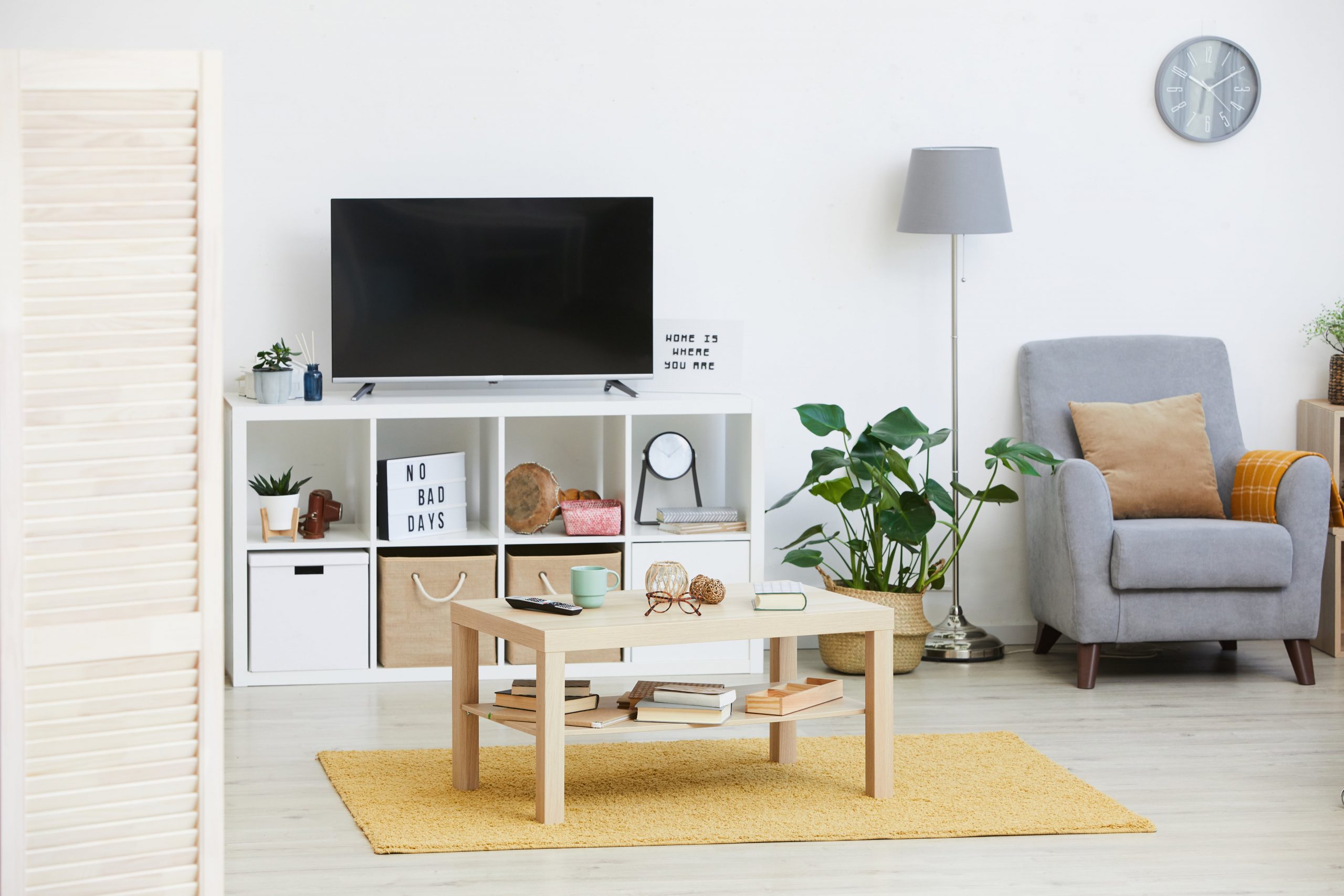
Modern furniture has become one of the most recognizable design styles in today’s homes, apartments, and workspaces. With its clean lines, functional shapes, and minimalist appeal, it often stands out from traditional furniture that focuses on ornate details and classic patterns. However, modern furniture is not only about aesthetics. Its true purpose goes deeper than appearance, offering practical solutions for comfort, organization, and space efficiency. As lifestyles change and living spaces become smaller or more multifunctional, furniture must adapt to meet new needs. Modern furniture reflects this shift by focusing on simplicity, usability, and intentional design. It supports both everyday living and long-term value through durable materials and flexible layouts. Understanding the purpose of modern furniture helps homeowners and renters make smarter design choices, creating spaces that feel balanced, comfortable, and aligned with modern living habits.
Modern Furniture Prioritizes Function Over Decoration
One of the main purposes of modern furniture is to emphasize function. Traditional furniture styles often focus heavily on decorative features, such as carved woodwork, heavy patterns, and ornamental shapes. Modern furniture takes the opposite approach by removing unnecessary details and focusing on how the piece will be used.
This functional design is especially helpful in everyday life. A modern sofa, for example, is designed for comfort and simplicity, often with clean edges and supportive structure. Tables, chairs, and storage units are built to serve a clear purpose while maintaining a sleek, uncluttered look. The goal is to create furniture that fits naturally into daily routines rather than dominating a room visually.
This design philosophy aligns with modern home furniture design principles, where usability becomes the core of style. Modern furniture isn’t meant to impress through complexity—it is meant to support living through practical structure and purposeful form.
It Helps Create Clean, Calm, and Balanced Spaces
Another major purpose of modern furniture is to shape the emotional feel of a space. Many modern homes prioritize open layouts, natural light, and minimal clutter. Modern furniture supports this environment by creating a sense of calm and order. Its simple shapes and neutral tones reduce visual noise, allowing the room to feel more spacious and breathable.
This is one reason modern furniture is popular in urban apartments and smaller homes. When a room is limited in size, bulky furniture can make it feel crowded. Modern pieces often have lighter frames, raised legs, and streamlined silhouettes that keep spaces visually open. Even larger items, such as sectionals, are often designed to feel clean and structured rather than heavy.
This fits into space-enhancing interior styling ideas, where furniture choices influence mood as much as layout. Modern furniture helps create homes that feel peaceful, organized, and easy to maintain, which matches how many people want to live today.
Modern Furniture Supports Space Efficiency and Multi-Use Living
Modern living often requires spaces to serve multiple purposes. A dining area may also be a workspace. A living room may double as a guest room. Modern furniture is designed with this flexibility in mind. Many modern pieces include hidden storage, modular layouts, or convertible features that support changing needs.
Examples include storage ottomans, expandable dining tables, sofa beds, and wall-mounted shelves. These pieces help homeowners maximize their space without sacrificing comfort or style. Instead of filling a home with extra furniture, modern design encourages fewer pieces that do more.
This approach aligns with functional home furniture solutions, especially for people who live in smaller spaces or prefer practical simplicity. Modern furniture makes it easier to live comfortably without clutter, which is a major reason it continues to grow in popularity.
It Reflects Modern Lifestyle Values and Design Trends
Modern furniture also has a cultural purpose. It reflects how people live, work, and express themselves today. Many modern homeowners value simplicity, sustainability, and clean aesthetics. Modern furniture often uses materials such as metal, glass, engineered wood, and eco-friendly fabrics to match contemporary tastes and environmental awareness.
Design trends such as Scandinavian minimalism, mid-century modern, and contemporary industrial styles all fall under the modern furniture umbrella. These trends focus on purposeful design, clean structure, and comfort without excess. Modern furniture supports the idea that a home should feel intentional, not overloaded.
This fits naturally into modern lifestyle-driven home design, showing that furniture choices often represent more than decoration. They represent identity, priorities, and how a person wants their space to feel. Modern furniture is not only a style—it is a reflection of modern living habits.
It Encourages Long-Term Use Through Quality and Simplicity
A less discussed but important purpose of modern furniture is durability and longevity. Because modern furniture is designed with simple lines and timeless structure, it often stays visually relevant longer than trend-heavy styles. Many modern pieces avoid overly decorative features that may feel outdated after a few years.
Modern furniture also encourages quality over quantity. Instead of buying many cheap items, modern design often favors investing in fewer well-made pieces that last longer. Materials such as hardwood, metal frames, and high-quality upholstery contribute to durability. Even budget-friendly modern furniture often focuses on clean design that ages well.
This supports smart home furnishing investment choices, where homeowners prioritize long-term value. Modern furniture is designed to be lived in, not just displayed. Its purpose includes creating a home that stays functional and stylish over time.
Conclusion
The purpose of modern furniture goes far beyond its clean and minimalist appearance. It exists to support practical living through functional design, calm visual balance, and space efficiency. Modern furniture helps homes feel organized and comfortable, especially in today’s world where spaces often need to serve multiple purposes. It also reflects modern lifestyle values such as simplicity, flexibility, and long-term usability. By focusing on structure rather than decoration, modern furniture creates environments that feel open, intentional, and easy to maintain. Its timeless design approach encourages homeowners to invest in pieces that stay relevant and durable over time. When guided by modern approaches to home and garden living, modern furniture becomes more than a style choice—it becomes a practical tool for shaping how people live, relax, and experience their home every day.


